
A multifaceted panel was organized at MAKÜ in memory of the 100th anniversary of Mehmet Âkif Ersoy's departure to Mısır and his engagement with the Kuran Tercümesi.
Yapılış Tarihi | 24 December 2025, Wednesday

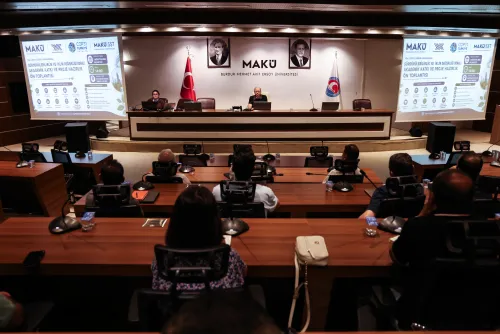
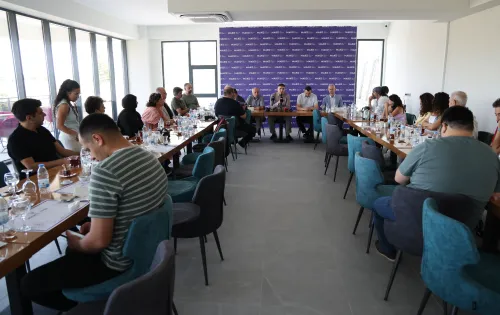
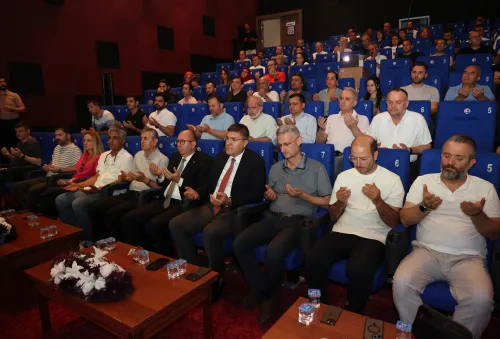
As part of the International Mehmet Akif Ersoy Science and Art Awards events organized by Burdur Mehmet Akif Ersoy University (MAKÜ), a panel titled “Mehmet Âkif Ersoy’s Egypt Years and Qur’an Translation Efforts” was held at the MAKÜ Conference and Exhibition Hall. The program attracted great interest from academics, researchers, students, and many guests.
Beyond his identities as a poet, writer, thinker, journalist, orator, and deputy, the panel aimed to shed light on an important but insufficiently illuminated period of Mehmet Âkif Ersoy’s life, who represents the conscience of the Turkish nation with his morality and character. Âkif’s years in Egypt were discussed in a multifaceted manner.
The panel also held special significance as it coincided with the 100th anniversary of Âkif’s engagement with the Qur’an translation.
The program focused on the background of Mehmet Âkif Ersoy’s life in Egypt, described as voluntary exile, his intense Qur’an translation efforts during this period, and the fate of his translation work that has not survived to the present day. Additionally, the original Qur’an translation manuscript, consisting of two parts written in his own handwriting, was analyzed, and the scientific and historical value of the work was shared with the participants.
The panel was moderated by Beyazıt State Library Director Ramazan Minder and Burdur Mehmet Akif Ersoy University Faculty Member Prof. Dr. Zafer Gölen.
Speakers at the panel included;
Mehmet Âkif Ersoy Thought and Art Foundation President Mehmet Ruyan Soydan,
Al-Azhar University Faculty of Languages and Translation Department of Turkology Faculty Member Prof. Dr. Hazem Said Mohemmed,
Istanbul Medeniyet University Faculty Member Prof. Dr. Turgay Anar,
Istanbul Ibn Haldun University Faculty Member Assoc. Dr. Vahdettin Işık
evaluated Mehmet Âkif Ersoy’s years in Egypt from the perspectives of history, literature, thought, and Qur’anic sciences.
Academics from Istanbul and Egypt who came to Burdur examined Mehmet Âkif Ersoy’s intellectual world, his approach to Qur’an translation, and why this work was not published, in the light of scientific data, trying to illuminate the points that remain in the dark on the subject.
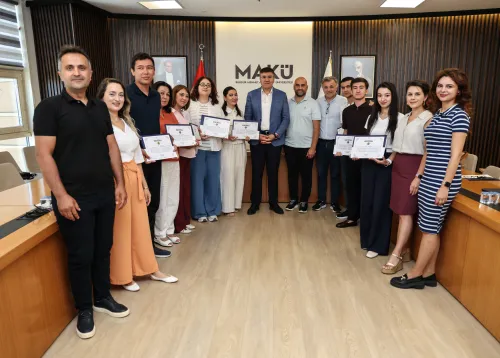
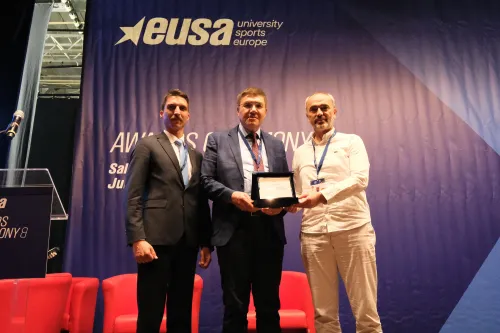
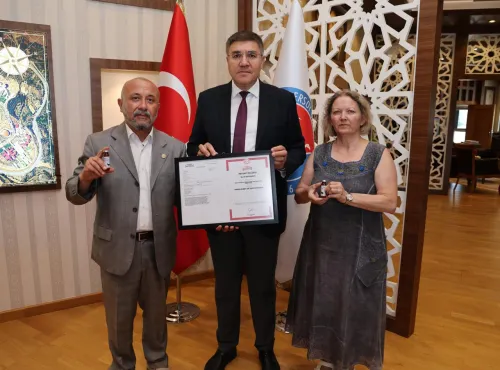
The panel concluded with the presentation of certificates of appreciation to the speakers following the question-and-answer session.